
Our Ethos & Values
 We aim....
- to encourage every individual to have respect for themselves and others.
- to provide a caring environment from which to promote the safety and well-being of every individual.
- to encourage and reward achievement in all areas of school life.
- to encourage each individual to play a meaningful part in the school community.
- to prepare students for an active and purposeful role in society.
Developing Cultural Capital
Southlands know that cultural capital is the accumulation of knowledge, behaviours, and skills that our students can draw upon and which demonstrates their cultural awareness, knowledge and competence. To support our students to be successful in society, their career and the world of work.
The curriculum includes:-
- Learning about people in the community - ambulance visit end of Summer term
-
Knowing about different cultures and religions in RE
-
Caring for animals - visit from therapy dogs, horse riding,
-
Showcasing talents - KS4 Arts award after school performance, whole school talent show. Appreciation and love of music and dance
-
Supporting local community - supporting our local food bank and cat and dog shelter
-
Attending sports events - girls football, athletics
-
Trips to local shops
-
Independent travel learning about the community and how to travel safely
-
Educational visits linked to topics - English visit
Equality and Diversity
Equality
We pride ourselves on being a welcoming and inclusive school. For us at Southlands, equality means that everyone is able to participate and feel welcome and safe in the activities of our school. This includes pupils, parents, staff, governors and visitors. Everyone should be able to achieve the best possible outcomes as a result of their participation. We believe that equality should permeate all aspects of school life and is the responsibility of all members of the school and the community.
Diversity
At our school, diversity means acknowledging that there are differences between people that should be recognised, respected and celebrated. We promote respect of each other’s differences and identities. We celebrate and raise awareness of diversity in the school and in the wider community and believe that teaching children about diversity prepares them for life in modern Britain.
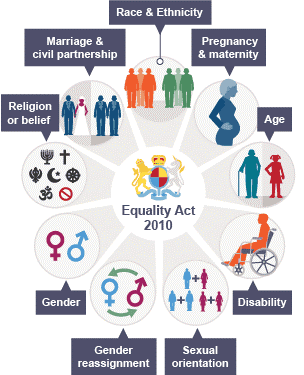
The Equality Act 2010
We have developed our policy through the Equality Act 2010. We want our children to learn that we all belong together regardless of different races, religions, sexualities, genders, abilities and ages. We encourage children to be proud of their differences and to understand the importance of not discriminating against, or being unfair to others, because of their differences.
Rights Respecting School Links
Article 2: To respect and ensure their rights to each child without discrimination of any kind, irrespective of the child’s or his or her parent’s or legal guardian’s race, colour, sex, language, religion, political or other opinion, national, ethnic or social origin, property, disability, birth or other status.
Our Schools Equality Objectives Are:
-
To establish a culture of inclusivity throughout all aspects of school life
-
To promote equality of opportunity and understanding of the equality act amongst the members of our school community.
-
To build character in pupils so that they are confident, resilient, respectful and caring citizens.
-
To enable children to understand and accept differences between themselves and others.
-
To prepare children for life in modern Britain through a celebration of diversity.
Public Sector Equality Duty (PSED)
The Public Sector Equality Duty (PSED) was introduced in April 2011 as part of the Equality Act 2010. It requires public organisations, including schools, to promote equality and prevent discrimination.
The PSED applies to all schools, including maintained schools, academies, independent schools, and special schools.
Protected Characteristics
Schools must consider the needs of people with the following protected characteristics:
- Race
- Disability
- Sex
- Age
- Religion or belief
- Sexual orientation
- Pregnancy and maternity
- Gender reassignment
The Three Main Duties
Schools must:
- Eliminate discrimination, harassment, and victimisation.
- Promote equality of opportunity for people with protected characteristics.
- Foster positive relationships between different groups of people.
What Does "Due Regard" Mean?
Schools must think carefully about equality when making decisions and developing policies. This means:
- Understanding how decisions may affect people with protected characteristics.
- Considering equality issues at the planning stage, not afterwards.
- Regularly reviewing policies and practices.
- Embedding equality into all areas of school life.
Specific Duties for Schools
Schools must:
- Publish information showing how they comply with the PSED.
- Set and publish equality objectives.
- Update equality information every year.
- Review and publish equality objectives at least every four years.
Our Equality Objectives
- Ensure all children, including those with SEND, have full access to the curriculum.
- Monitor pupil achievement by race, gender, and disability, and provide additional support where needed.
- Ensure all pupils can take part in extracurricular activities and educational visits.
- Increase support for children with Social, Emotional and Mental Health (SEMH) needs.
- Promote community cohesion and increase awareness of protected characteristics across the school.
How Our School Eliminates Discrimination
We are committed to creating an inclusive environment where everyone is treated fairly and respectfully.
We:
- Promote clear school values that encourage equality and respect.
- Have policies that make it clear discrimination is not tolerated, including behaviour, anti-bullying, safeguarding, child protection, and staff conduct policies.
- Make reasonable adjustments to support people with disabilities.
- Ensure fair recruitment, promotion, training, pay, and employment practices.
- Teach equality, diversity, and respect through PSHE, assemblies, workshops, and educational visits.
- Promote British Values and our school values throughout the curriculum.
How We Promote Equality of Opportunity
To ensure equality for all members of our school community, we:
- Collect and review information about pupil achievement, attendance, exclusions, and staff development by race, gender, and disability.
- Use this information to improve policies, support, teaching, and school activities.
- Involve staff, parents, and carers when developing our Equality Plan.
- Monitor achievement data and take action where groups of pupils may need additional support.
- Provide opportunities within the curriculum to learn about equality, diversity, and inclusion.
- Encourage all pupils to participate fully in school life and leadership opportunities.
- Monitor bullying and discrimination and use findings to improve pupils' experiences.
- Report racist incidents to governors and the local authority as required.
- Ensure displays, resources, and learning materials reflect the diversity of our school community.
- Celebrate events such as Black History Month, Deaf Awareness Week, and One World Week.
- Make the school environment accessible to pupils, staff, visitors, and families.
- Consider language, disability, and accessibility needs when communicating with parents and carers.
- Ensure processes such as parent governor elections are accessible and inclusive for everyone.